

Epigenetics
Aging is influenced by many factors. One of the best ways to assess biological age is through the study of Epigenetics.
Epigenetics, is the study of chemical modifications which result to change in gene expression. These modifications do not alter the underlying DNA sequence. Essentially, it’s about how certain genes are turned “on” or “off.”
Imagine your DNA as a piano with all its keys representing different genes. Epigenetics is the pianist, deciding which keys to play to create a beautiful melody. Some keys (genes) are pressed, making their sound heard, while others are left silent. The pianist’s choices are influenced by factors like your lifestyle and environment. Even experiences shape the harmony of your health and traits.
It’s the art of orchestrating your genetic potential into a unique and ever-changing symphony! These changes can influence how cells operate and can even affect health and behavior.
Why Epigenetics Matters
- Aging: Epigenetic changes can cause aging to occur faster than your chronological age.
- Environmental Influence: Factors such as diet, stress, pollution, and exposure to toxins can influence epigenetic modifications. This highlights the dynamic interaction between our genes and the environment.
- Intergenerational Effects: Some epigenetic changes can be passed down to future generations. This means your lifestyle choices can impact your descendants’ health.

Epigenetic changes not only affect our health today, but also the health of future generations. Just as the influence of our ancestors, before us.
Can Lifestyle Changes Improve Epigenetics
Absolutely! Lifestyle choices can significantly influence your epigenome — the chemical tags that regulate gene expression.
Throughout human history, key lifestyle habits have been fundamental pillars of survival and well-being. These habits enabled our ancestors to adapt, thrive, and pass on their genes in often harsh and unpredictable environments. However, modern life has introduced sedentary routines and processed foods. It has also brought chronic stress, social isolation, and disrupted sleep patterns. These changes have significantly disturbed these age-old practices. This disruption reverses our biological clocks. It contributes to the rise of chronic diseases. It undermines the very foundations of our health that have sustained humanity for millennia.
While many epigenetic changes are dynamic and reversible, not all of them can be fully reversed by lifestyle changes alone. Some changes are more entrenched.
Epigenetic changes are influenced by various factors. These include the nature of the change, predisposing genetics, and the length of exposure to harmful environments.
In such cases, additional interventions are required. These include targeted Nutraceuticals, Hormone therapy, and specific medications and therapies. Testing with advanced tools can pinpoint specific epigenetic shifts. This helps guide more personalised protocols and care.
Combining lifestyle changes with these tailored interventions offers the best chance to restore balance and promote long-term health.
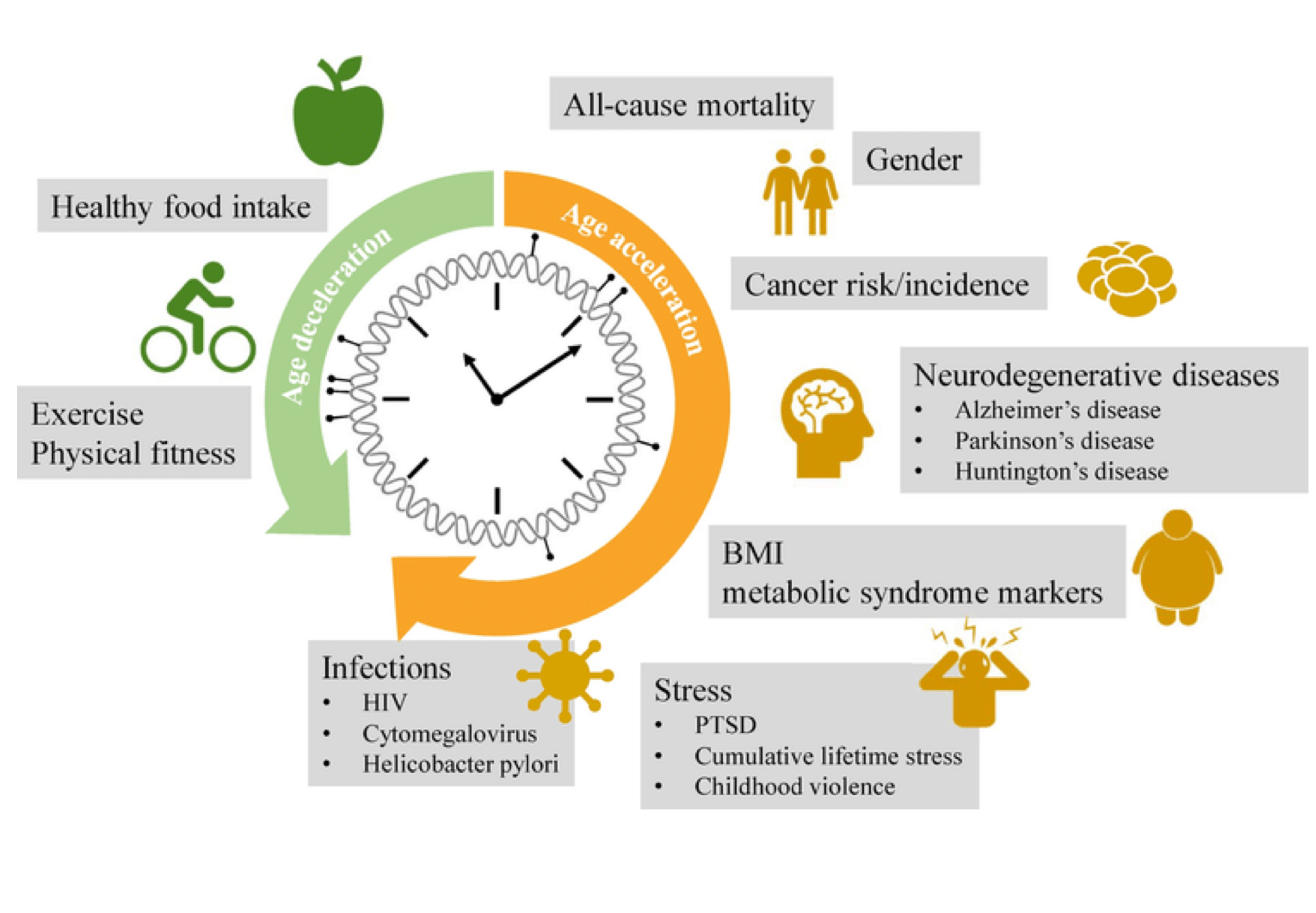
This paves the way for a more vibrant, healthier and resilient body that has reduced risk of disease.
Small, consistent changes can have a lasting impact on how your genes are translated and overall well-being.
These changes not only influence your well-being, but can also affect the well-being of future generations.
Takeaway
Epigenetics highlights how your environment and behaviors can shape your gene expression, without altering your DNA.
While your chronological age will naturally increase over time, your biological age can be influenced by the choices you make.
The science reveals how our daily habits affect the epigenetic markers on our DNA. These choices can prevent premature biological aging.
“Essentially, our genes set the stage. But, it’s our lifestyle that pulls the trigger.“
You can measure improvements and objectively have your biological clock measured by getting your Epigenetic test.
 PRECIVA HEALTH
You must be logged in to post a comment.