Your Essential Guide to Energy, Hormones & Feeling Like Yourself Again
Still Not Feeling Like Yourself—Even with “Normal” Labs?
If you’re navigating midlife feeling foggy, exhausted, anxious—or like a stranger in your own body—you’re not alone. Many women are told their labs look “normal,” yet continue to struggle with symptoms. The missing piece? Often, it’s your thyroid.
Why Your Thyroid Deserves More Than Just a TSH Test
What TSH Really Measures — and What It Doesn’t
The standard TSH test doesn’t tell the full story.
TSH is not made by the thyroid gland. It only measures how loudly your brain is asking the thyroid to work. It doesn’t directly measure how much active thyroid hormone (T3) is reaching other cells in the body. It also doesn’t measure whether it’s doing its job.
Why TSH Can Be Misleading in Midlife Women
As women reach their late 30’s and beyond, hormone shifts, adrenal stress, and metabolic changes collide. This shifts affect how your thyroid functions and how your body uses thyroid hormones. TSH can appear “normal” even when symptoms of hypothyroidism are present.
Why “Normal Labs” Don’t Equal Optimal Health
You can have “normal” TSH but still suffer from fog, fatigue, anxiety, and worsening menopause symptoms. You can develop new allergies and sensitivities due to increased inflammation and immune dysfunction. You will feel overall off if your T3 is low or conversion is blocked.
A Better Way to Test: What You Actually Need to Know
A full thyroid panel should include:
- Free T3
- Free T4
- Reverse T3
- Thyroid antibodies (TPO, TgAb)
These give a clearer picture of active thyroid hormone availability and autoimmune activity. In addition at Preciva health, we go even deeper.
Thyroid Health 101: What It Does & Why It Matters
Meet Your Master Energy Gland
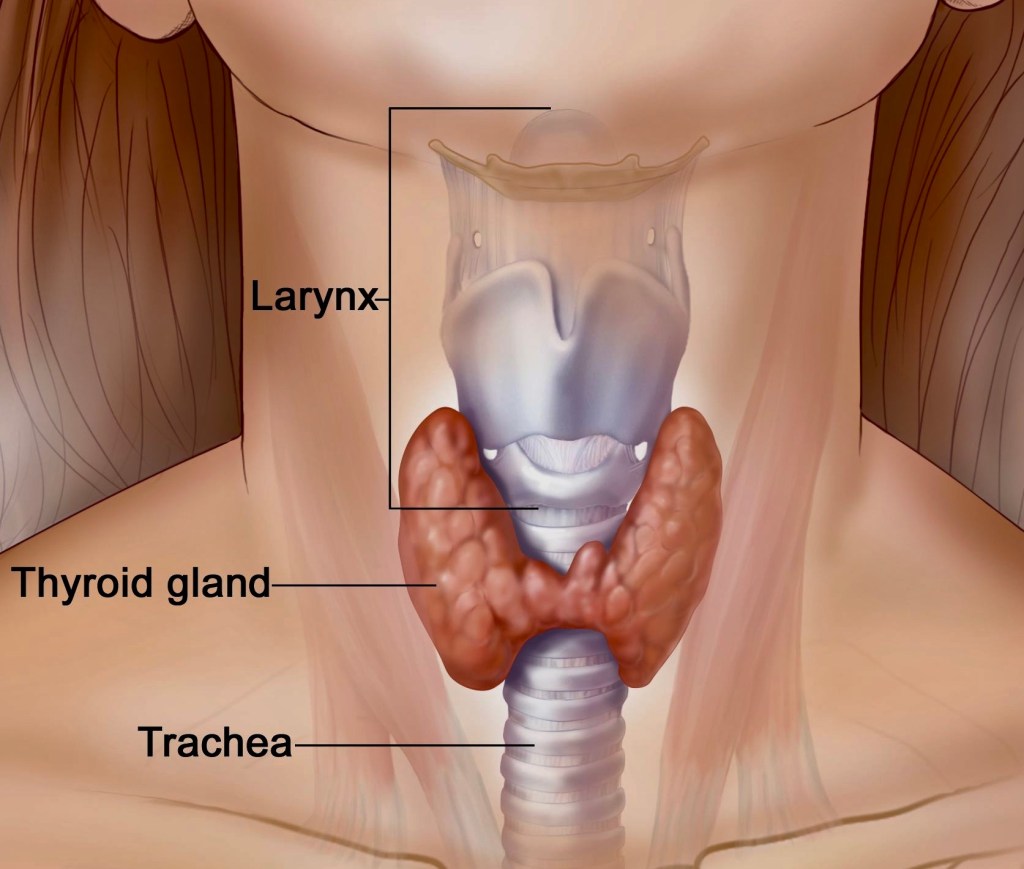
The thyroid is a small, butterfly-shaped gland in your neck. Despite its size, it influences nearly every system in the body. It is the master regulator of mitochondrial energy production. So when it’s not functioning properly, the effects can be felt EVERYWHERE!. When it under performs, so do you.
What the Thyroid Powers — and What Happens When It Doesn’t
| What the Thyroid Powers | When It’s Not Working Optimally |
| Metabolism & body temperature | Weight gain, cold intolerance, sluggish metabolism |
| Heart rate & vascular function | High cholesterol, increased risk of heart disease, abnormal heart rhythm, Flexibility of Blood vessels |
| Mood, memory & cognitive clarity | Brain fog, depression, anxiety, dementia risk |
| Digestion & bowel regularity | Constipation, bloating, poor nutrient absorption, gut permeability, |
| Menstrual cycles & fertility | Irregular periods, fertility issues, pregnancy complications |
| Bone | Osteopenia / osteoporosis |
| Skin, nails & hair | dullness, dryness, slower healing, premature aging, inflammation, and reduced elasticity, brittle, thinning, increased shedding, slower growth, or weaker strands |
| Mitochondrial energy production | Chronic fatigue, low stamina, burnout, inadequate function of all cells and systems. |
| Gene expression (e.g. insulin sensitivity, immunity) | Higher risk of diabetes and autoimmune disease |
Menopause & Thyroid: Why the Symptoms Overlap
Many symptoms of low thyroid mirror those of menopause, including:
- Irregular periods
- Sleep disturbances
- Anxiety and depression
- Slowed metabolism- Harder to shift your weight
This can make it difficult to distinguish between the two, without proper testing.

How Hormones, Stress & Thyroid Health Are Connected
Hormones in midlife shift dramatically and are all interconnected, your thyroid feels it!
Estrogen’s Role in Thyroid Conversion
Estrogen helps convert inactive T4 into active T3. women who are estrogen dominant or as levels declines naturally decline during menopause, this conversion process slows—leading to symptoms of hypothyroidism even when labs look “normal.”
Progesterone’s Role , Estrogen Dominance & Thyroid Impact
Progesterone also supports thyroid hormone conversion. When levels drop during perimenopause, it can cause estrogen dominance, worsening thyroid function.
The relationship is bidirectional. Low thyroid levels can disrupt the availability of the other hormones. This disruption creates a hormonal feedback loop that amplifies symptoms.
Cortisol, Stress & Thyroid Suppression
As estrogen and progesterone decline, your adrenal glands pick up the slack. But when you’re under chronic stress, they produce more cortisol.
High cortisol suppresses thyroid function, blocks T4-to-T3 conversion, the exact form of thyroid hormone your cells need. This further disrupts sex hormones.
Testosterone
Affects conversion of thyroid hormone from less active to more active.
Why You Need a Systems-Based Approach
Your thyroid doesn’t act alone. It’s influenced by:
- Adrenal glands (stress response)
- Ovaries (sex hormones)
- Liver, gut and kidneys (detox, nutrient absorption and hormone conversion)
- Brain-emotions
- Immune system
And during perimenopause and menopause, this intricate system becomes even more sensitive. It’s all connected. And understanding these connections is key to restoring true balance.
Hidden Thyroid Disruptors You May Be Missing
Even outside hormone shifts, modern life throws curve balls. Thyroid disorders can affect all genders and at any age, preventing the thyroid working optimally.
Lifestyle, Nutrient Deficiencies & Toxins
- Inadequate sleep, poor diet, and low iodine, selenium, or iron all impact thyroid health
- Toxins from plastics, pesticides, heavy metals, and cosmetics interfere with hormone signaling
Environmental & Emotional Factors
- Mold exposure, parasites, and lack of social support can suppress immune and thyroid function
Summary Table of Potential Thyroid Disruptors
| Chronic stress |
| A fast-paced lifestyle that deprioritises rest and recovery |
| Nutrient-depleted diets |
| Poor Gut, Kidney and Liver Health |
| Environmental toxins (plastics, pesticides, cosmetics, perfumes, pollution, blue light etc.) |
| Biotoxins-mold, bacteria, parasites |
| Heavy metals-mercury, lead, cadmium and arsenic |
| Lack of emotional or community support |
| Genetics |
Long-Term Impacts of Thyroid Dysfunction Health & Longevity
Balanced hormones are essential for feeling your best at all stages of life. Additionally in terms of longevity, they reduce the risk of long-term health complications. Unchecked or undiagnosed thyroid issues may contribute to:
Cardiovascular Health in Postmenopausal Women
Low T3 levels, combined with declining estrogen, raise the risk of:
High cholesterol
Hypertension
Heart palpitations
Stroke and heart attack
Brain Health, Cognitive Decline & Mood
Insufficient thyroid hormone is linked to:
Higher dementia risk
Memory issues
Mood disorders
Mitochondrial health, Energy & Longevity
Active free T3 play a vital role in mitochondrial health. Without optimal levels, nothing that requires energy in your body works quite right. That’s about EVERYTHING!
leading to:
- Fatigue
- Poor recovery
- Accelerated aging
Thyroid-Linked Autoimmune Diseases
Women have a higher incidence of autoimmune diseases compared to men. The risk tends to rise during the perimenopausal and menopausal years. Declining hormones and thyroid dysfunction increase the risk of:
Hashimoto’s thyroiditis
Graves’ disease
Lupus, MS, RA, and other autoimmune conditions
The Rising Risk of Thyroid Cancer During Menopause
Cases of Thyroid cancer are on the rise, particularly in post-menopausal women. Hormonal changes, especially the decline in estrogen, may increase the risk of thyroid cancer. Estrogen has a protective effect on thyroid cells. As estrogen levels decrease, thyroid cells may become more vulnerable to mutations.
Symptoms of thyroid cancer can be subtle in the early stages and stay undetected for many years. They may appear as a lump in the neck, change in the quality of voice, difficulty swallowing. Yet, sometimes they may have already spread by the time it is detected.
In Addition, having antibodies to your thyroid proteins indicates immune dysregulation. This has been linked to an increased risk of developing cancer. This fact is important and the risk extends beyond just thyroid cancer.
Why Choose Dr. Rahna & Preciva Health for Thyroid Care
You deserve more than symptom suppression and quick fixes.
At Preciva Health, we provide:
- Advanced testing that uncovers root causes
- Personalised care based on your unique body and story
- Whole-person support that integrates hormones, stress, gut health, and lifestyle
- A trusted guide who’s walked this path herself
Dr. Rahna’s Unique Approach: Experience Meets Expertise
Dr. Rahna doesn’t just treat thyroid conditions—she’s lived through one. Her own journey with undiagnosed thyroid issues shapes the way she listens, supports, and heals. Her patients feel heard, seen, and empowered to take back their health.
Ready to Reclaim Your Energy & Vitality?
Your thyroid is the cornerstone of your health. Managing thyroid health is about more than lab results—it’s about how you feel.
It’s time for a deeper look. Your thyroid deserves expert attention—and so do you.
Let’s Begin Your Healing Journey
We’ll dive deeper into testing. We will explore the most effective treatment options. You’ll learn how to start reclaiming your energy and life.
You don’t have to figure this out alone. There is a path forward.
Ready to Feel Like Yourself Again?
Because You Deserve More Than “You’re Fine.”
Managing thyroid health isn’t just about numbers on a lab report. It’s about how you feel and your long-term health.
 PRECIVA HEALTH
You must be logged in to post a comment.