The Critical Role of Estrogen in the Female Body, for Healthspan & Longevity.
Estrogen (Oestrogen) is far more than just a reproductive hormone; it is essential for over 300 functions in the female body. Eestrogen receptors are found everywhere, including the brain, eyes, skin, bones, blood vessels, and immune system. This widespread presence means estrogen influences cognition, mood, cardiovascular health, metabolism, and even vision.
What Are the Different Types of Estrogen?
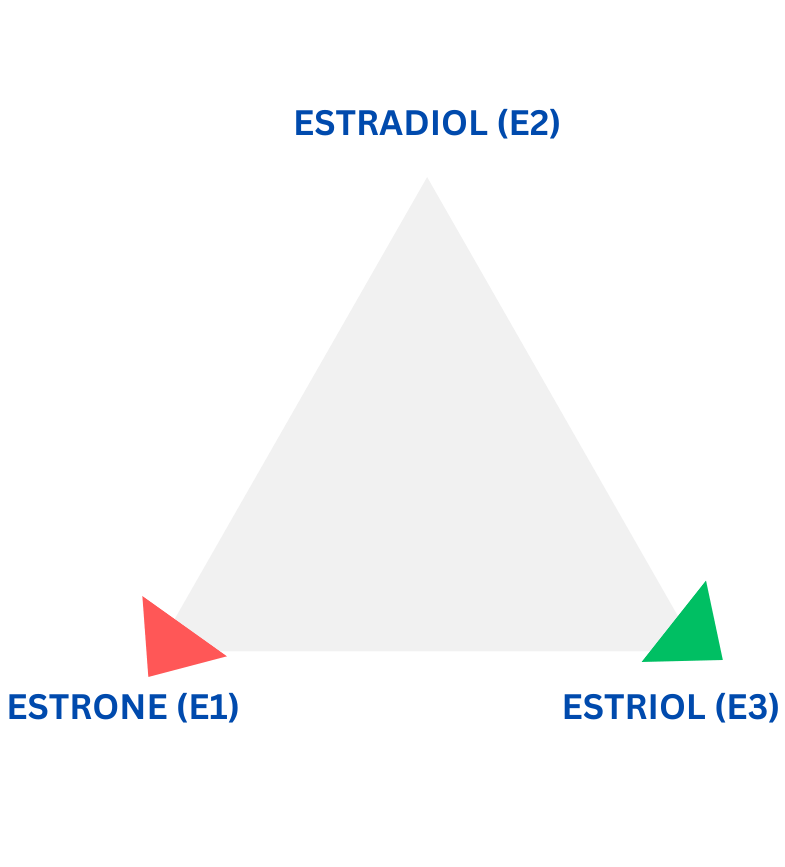
It’s important to recognise that estrogen is not a single hormone but a family of estrogens, each with unique risk-benefit profiles:
| Estradiol (E2) | The most potent form, responsible for maintaining bone density, cardiovascular health, and cognitive function. |
| Estrone (E1) | Becomes the predominant estrogen after menopause, but it’s less biologically active and can be more proliferative. Excessive levels have been linked to increased risks of breast and endometrial cancer. |
| Estriol (E3) | Predominant during pregnancy. A weaker estrogen that may exert protective effects on the uterus and breasts while supporting vaginal and urinary health. |
Why Hormonal Fluctuations Demand a Personalised Approach for Supporting Estrogen
The hormonal shifts during perimenopause and menopause are not uniform; they vary greatly among women. Some experience a gradual decline, while others have erratic hormonal spikes and drops. Also, not all forms of estrogen decline in the same way, estrone levels can increase. This variability underscores why a one-size-fits-all approach is insufficient. Personalised medicine—tailored to an individual’s unique hormonal profile, symptoms, and lifestyle—is the most effective way to address this transition.
Our body’s ability to process estrogen isn’t only about hormone levels. It’s also about how well your body converts these hormones, detoxifies and removes them. Other systems, are also crucial in understanding how estrogen behaves in your body. These systems include the state of your metabolic health, immune function, gut health, and liver detoxification ability.
Key Factors in Hormonal Variability
- Genetic Differences: Variations in genes affecting estrogen metabolism (e.g., CYP1B1 or COMT) influence how efficiently estrogens are processed.
- Stress and Cortisol Levels: Elevated cortisol during perimenopause can worsen symptoms. This leads to more pronounced sleep disturbances, can cause weight gain, mood issues & how efficiently the immune system works.
- Lifestyle and Nutrition: Diet, exercise, and overall health significantly impact hormone metabolism and receptor sensitivity.
- Gut Health: The estrobolome—gut bacteria involved in estrogen metabolism—can either support or hinder hormonal balance, depending on its composition.
- Environmental Exposures: Endocrine-disrupting chemicals (EDCs) from plastics, cosmetics, and pesticides can interfere with hormone balance, particularly during this vulnerable time.
This highlights the need for a personalised and integrative approach to hormone therapy.
Each woman metabolises estrogen in her unique way.

Understanding the Complexity of HRT and Estrogen Metabolism
HRT remains a complex subject partly because of how estrogens interact in the body.
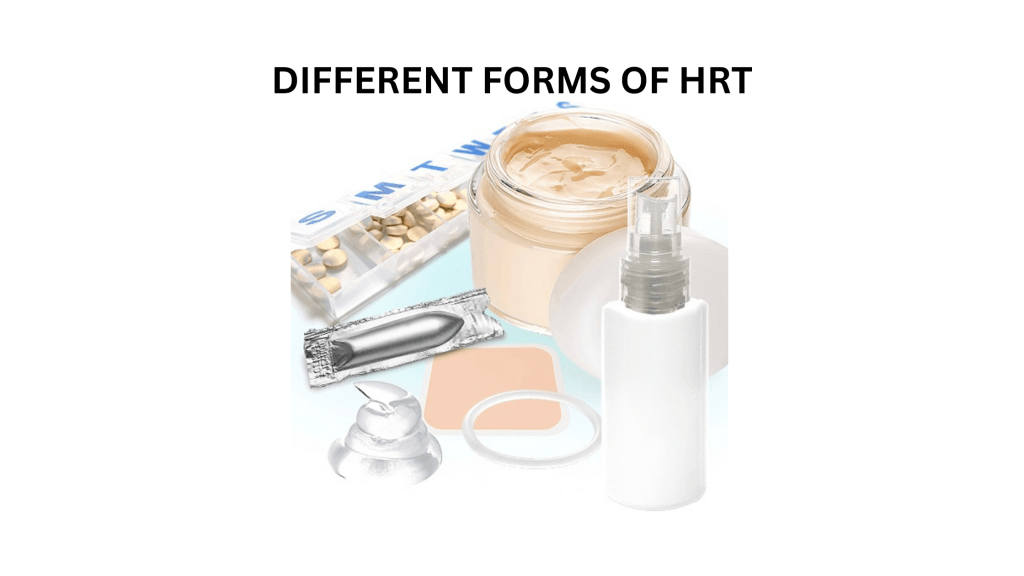
The form of HRT used—oral, transdermal, or a combination of different estrogens—determines how these hormones are metabolised. It also determines how they influence the body’s overall balance.
A systems-based approach used by PrecivaHealth ensures that estrogen metabolism is optimised, reducing potential risks and maximising benefits.
The Case for Biest Over Topical Estradiol Alone
Hormonal health—and the risks associated with hormone therapy—are deeply influenced by how our body’s receptors respond, not just by hormone levels themselves. Think of receptors as locks, and hormones as the keys. Different types of estrogen interact with different receptors, and each interaction has distinct effects on the body.
Estriol (E3), one of the three main forms of estrogen, primarily binds to estrogen receptor beta (ER-β). This receptor activity has been linked to protective effects in breast tissue, helping to reduce unwanted cell proliferation. Estriol also plays a role in modulating the immune system, which is especially relevant for individuals with autoimmune tendencies, offering a more calming influence on immune overactivity.
Biest—a custom blend of estradiol and estriol—offers a more nuanced and potentially safer approach to hormone replacement than estradiol alone. This combination allows for a broader spectrum of estrogenic support while helping to steer hormonal activity toward more protective and balanced pathways. It’s particularly relevant for women who are mindful of breast health or who have heightened sensitivity to estrogen.
For women dealing with metabolic issues, chronic inflammation, or higher body fat levels, Biest can offer additional advantages. Fat tissue contains an enzyme called aromatase, which increases the conversion of other hormones into estrogen—often leading to elevated levels of estrone (E1), a form linked to greater risk of estrogen-sensitive cancers. While the body can temporarily store estrone in a less active state, it can still reactivate under certain conditions. Estriol, as part of Biest, may help moderate the effects of stronger estrogens like estrone, promoting a more stable and health-supportive hormonal environment.
Unlike standard hormone replacement therapy, Biest is not available off the shelf. It must be carefully formulated by a compounding pharmacy to suit your specific needs, ensuring the right balance of estradiol and estriol. At PrecivaHealth, we partner exclusively with compounding pharmacies that adhere to the same stringent regulatory standards required for all pharmaceuticals, so you can trust both the quality and the safety of what you’re using.
Women over 65 years of Age
Should a 65-Year-Old Woman Start HRT? Risks & Benefits
For a woman starting topical HRT at age 65 for the first time, the risks are lower, when compared to oral HRT, provided it is dosed correctly.
However, there are still important considerations:
✅ Lower Risk Compared to Oral HRT:
- No significant increase in blood clot risk (venous thromboembolism).
- Less impact on liver metabolism and clotting factors.
- Minimal increase in estrone (E1) compared to oral therapy.
🚨 Potential Concerns:
Metabolic Adaptation: Untreated insulin resistance, inflammation, or metabolic syndrome in a woman can affect her metabolism negatively. This can push her metabolism towards the less desirable Estrone form. Optimising metabolic health alongside HRT is important.
Cardiovascular Risk: The “timing hypothesis” suggests that HRT is safest when started within 10 years of menopause. After this window, there is a theoretical risk of cardiovascular events due to existing arterial plaque instability. However, transdermal estradiol has a lower impact on clotting and inflammation than oral forms, making it a safer option.
Endometrial Stimulation (If Uterus is Intact): If a woman has a uterus, unopposed estrogen (without progesterone) can increase the risk of endometrial hyperplasia or cancer. This risk is managed by adding bioidentical progesterone.
The ratio of estrogen to progesterone is important. It remains significant for the benefit of the rest of the body, even in women without a uterus.
Breast Cancer Risk: Estradiol alone has some associated risks. However, the inclusion of estriol in Biest may provide a protective mechanism against estrogen-sensitive cancers.
Careful monitoring and testing is the key.
Quality of Life Benefits of HRT at 65
For the right candidate, HRT at 65 can significantly improve quality of life, offering benefits beyond prevention:
🌿 Cognitive & Mood Enhancement:
- Estradiol has neuroprotective effects and may improve cognition, mood, and energy levels.
- Studies suggest it may slow cognitive decline, though not necessarily prevent dementia if started late.
💪 Bone Health & Fracture Prevention:
- HRT reduces the risk of osteoporosis and fractures, even when started later.
- If a woman is osteopenic or osteoporotic, HRT may still provide benefit alongside other bone-supportive strategies.
🔥 Relief from Residual Vasomotor Symptoms:
- Some women still experience hot flashes, night sweats, and sleep disturbances well into their 60s and 70s. HRT can significantly improve sleep and comfort.
💧 Genitourinary & Vaginal Health:
- Estrogen prevents and treats vaginal atrophy, dryness, pain during intercourse, and recurrent UTIs.
- Vaginal estriol (E3) or estradiol can dramatically improve urogenital function, enhancing comfort and intimacy.
Conclusion: A Call for Awareness and Informed Decision-Making
The conversation around HRT must evolve beyond outdated fears and one-size-fits-all solutions. With a personalised, integrative approach, women can safely and effectively use HRT to enhance their quality of life, both during and beyond menopause.
If you’re navigating hormone-related symptoms and want a safer, more personalised approach, we’re here to help.
For more information on our approach to hormone optimisation and longevity, visit PrecivaHealth.
 PRECIVA HEALTH
Comments
2 responses to “The Case for a Personalised, Integrative Approach to HRT: Moving Beyond Myths and Misconceptions”
[…] Even estriol, the weakest of the three estrogens, offers unique benefits. In addition to its support in vaginal and urinary health, it also has anti-cancer properties. See my post on The Case for a Personalised, Integrative Approach to HRT: Moving Beyond Myths and Misconceptions […]
[…] A CONSULTATION The Case for a Personalised, Integrative Approach to HRT: Moving Beyond Myths and Misconception… The Benefits of Personalised Hormone […]